

The classic Winter Olympics model is hitting physical limits
“Higher altitude” or “More snowmaking” are not a strategy
An Outdoor Olympics changes the economics for host territories
Decentralization and lighter infrastructure are the keys
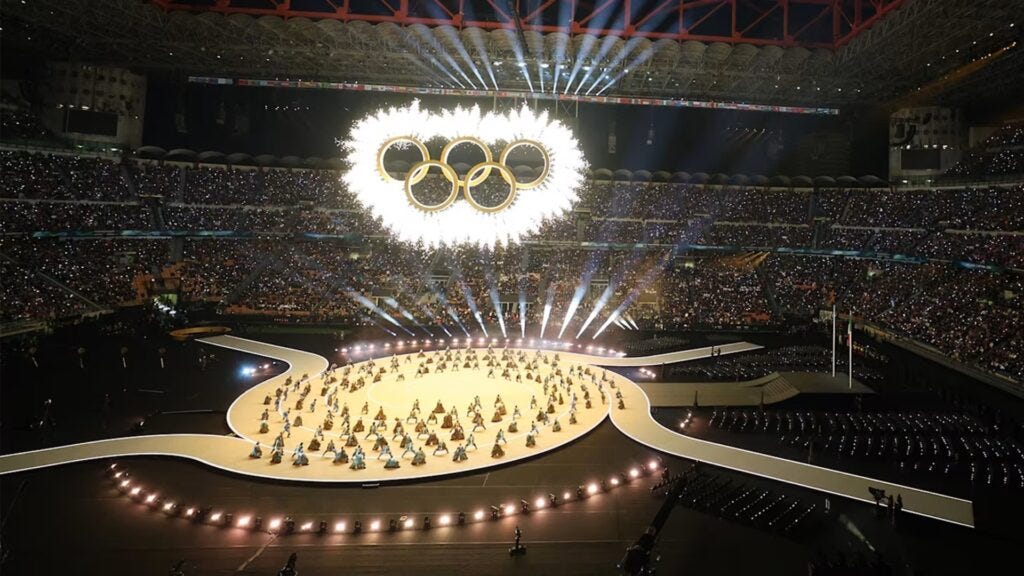
Milano-Cortina is live right now, and it feels like a tipping point.
Not because the athletes are any less impressive, but because the idea of “Winter Olympics” is getting harder to justify. Fewer places can reliably host snow-based events, and that list is shrinking. The real question is not where the Games should go next. It is what they should become.
Sustainability and relevance, at the same time
A great comment under my LinkedIn post framed it well: from the IOC1’s point of view, the priority is sustainability so the Games can keep happening. For the public, the priority is relevance so more people can identify with the athletes and the sports.
Summer Olympics feel universal. Winter Olympics still belong to a relatively small, geographically concentrated club. So if we want them to survive, “more snowmaking” and “more infrastructure” cannot be the long-term answer. At best it buys time. At worst it deepens the contradiction.
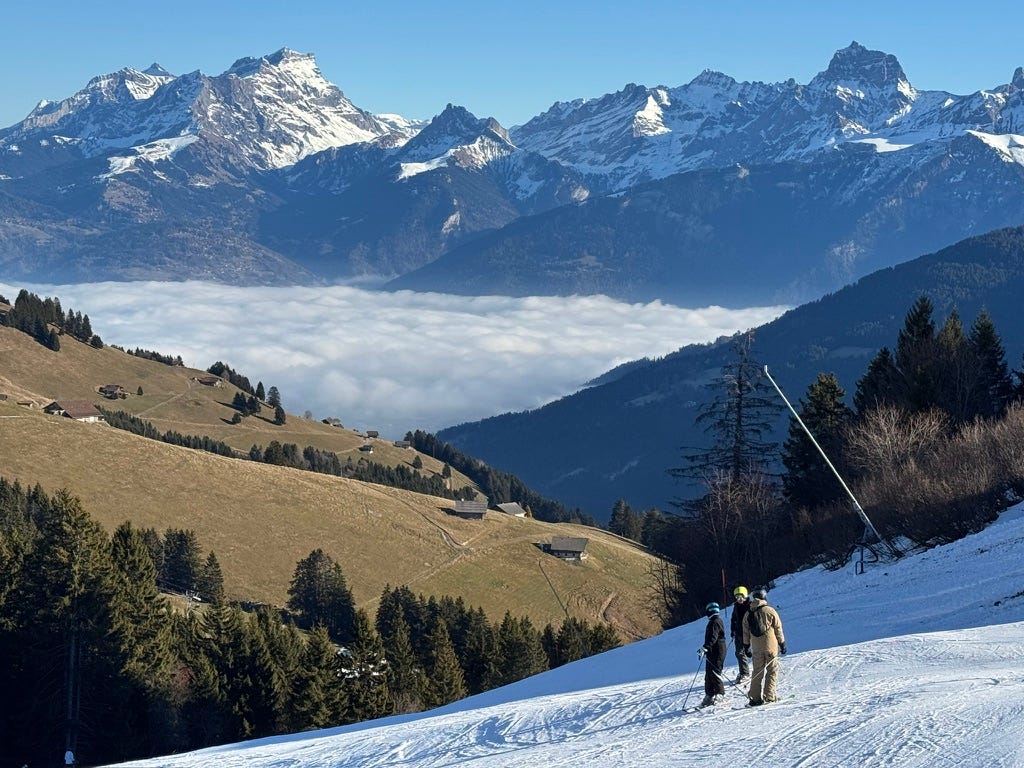
A possible future: an Olympics of outdoor sports
One direction feels obvious: an Olympics of outdoor sports.
Sports rooted in real landscapes, practiced across seasons, deeply connected to the outdoors. Mountain biking. Trail running. Rock climbing. White-water kayaking. Ski mountaineering. Disciplines that already exist, already thrive, and already attract a new generation.
These are not just sports. They are ways of inhabiting nature responsibly.
But the key constraint is this: expand relevance without expanding impact. Otherwise we just move the same problems somewhere else.
Lighter infrastructure, stronger meaning
Unlike the Summer Olympics, which are inseparable from megacities, stadiums, and carbon-heavy logistics, Winter Olympics have always been centred on mountains and natural sites.
An Outdoor Olympics could be decentralized, landscape-first, lighter in infrastructure, and stronger in meaning. Our mountains, valleys, rivers and forests are already the most spectacular stadiums on Earth.
Why this matters for mountains in every season
This is exactly the question we explore with Mr. Alps: how mountains can thrive in every season, without fighting reality.
The Games are on. The debate should be too.
Read the article on Mr. Alps:
https://mralps.com/en/alpinsight/milano-cortina-last-winter-olympics-as-we-know-them?utm_source=alpinsight&utm_medium=newsletter&utm_campaign=milano_cortina
International Olympic Committee